Travel & Tourism
Destined to deliver great experiences.

Unforgettable experiences, wonderful memories, and once-in-lifetime adventures — that’s what travelers seek, and it’s what travel brands and destinations deliver. As a renowned travel PR and marketing agency, FINN Partners makes meaningful connections between your hospitality brand and the media you want to be taking notice. We do that by leveraging a worldwide network of media relationships and industry contacts, and by telling creative stories about your brand that hit the mark, make a difference, generate compelling column inches, and directly impacting your bottom line.
The beauty of our diverse team is that we work with boutique hotels, tour operators, luxury hotel brands, in-demand destinations, cruise lines, airlines, travel products and more, which help ensure that our programs are customized to your unique needs. We believe deeply in productive purpose, and we partner with like-minded travel businesses motivated to meet sustainable goals. FINN is powered by people driven by their passion for travel, at the top of their game, who feel that travel and tourism should be a force for good in the 21st Century.
Luxury Travel
Our award-winning work in luxury travel ranges from independent boutique hotels to private islands, from safari operators to highly ranked cruise companies, private aviation to world-class wellness spas. We have a talented team of publicists who customize high-performing plans and manage A-list media campaigns to drive awareness and business to our clients. We also work with travel adjacent brands such as tech products, luggage, real estate, entertainment, etc.
Destinations
We have the distinction to work with some of the world’s most desirable destinations around the globe. FINN is hired by countries, states and cities to showcase their exceptional offerings to drive tourism and lead economic impact campaigns. The media know that FINN work tirelessly with tourism ministers and DMCs to effectively increase visibility.
Hotels, Resorts & Spas
Our team is deeply verse and rooted in the hospitality industry therefore uniquely able to work alongside and for some of the world’s best and most visible hotel and wellness brands. We speak the language of a hotelier and strive to not just promote a property or brand but to amplify its reputation and enhance its business. Our senior team regularly attend industry events and conference, keeping in front of industry trends and ultimately informing client campaigns.
Travel & Tourism
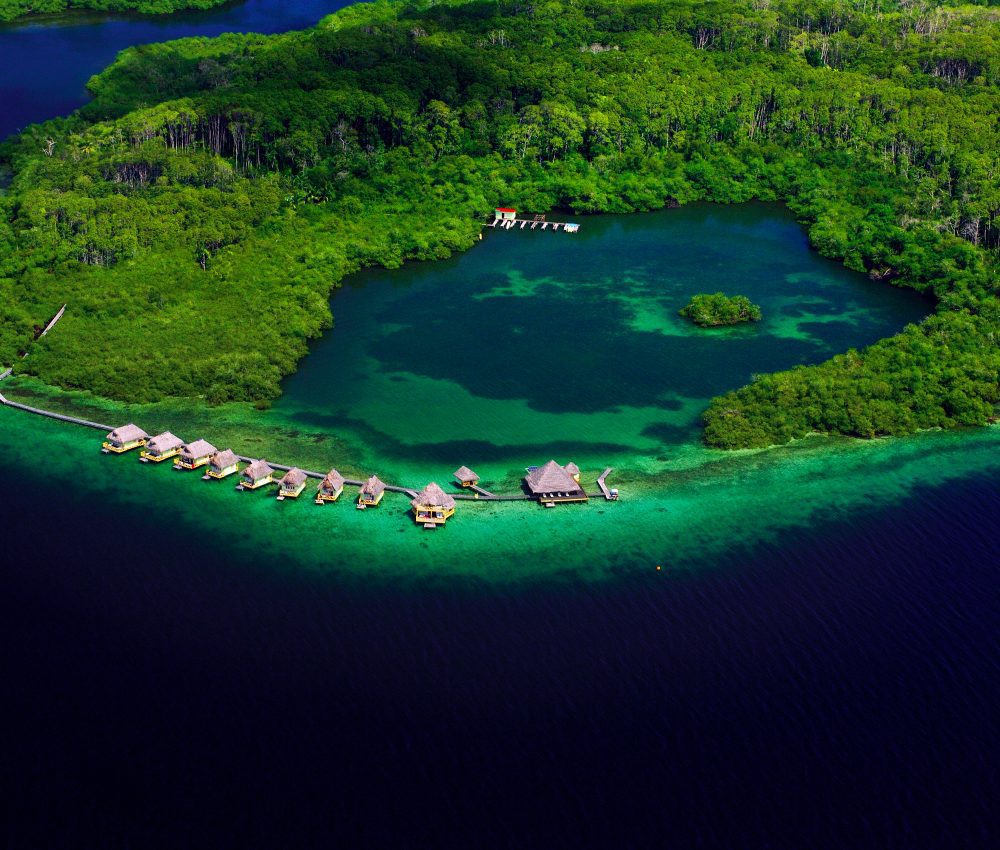
Case Study | Panama
Transforming Panama into a coveted tourism destination.
Case Studies & Articles
Wilderness
Case Study
International Women’s Day 2024: Inspiring Inclusivity, Elevating Women’s Voices in Travel and Tourism
Article
The Bushcamp Company
Case Study
FINN Partners to Support Ukraine during ITB Conference in Berlin
Article
Belize
Case Study
Expert Guide to Travel Trends this Global Tourism Resilience Day
Article
Business Iceland
Case Study
FINN Partners Announces Key Leadership Changes: Amy Skelding Promoted to Managing Partner and UK Travel Lead; Debbie Flynn Expands Role as Global Travel Practice Leader
Article
FINN’s tourism practice spans three continents, including major media hubs in New York, Los Angeles, Hong Kong, Shanghai, London and Munich. And we offer a full range of travel agency marketing services, including:
- Public relations
- Branding and repositioning
- Issues management
- Digital and influencer marketing
- Trade relations & representation
- High-profile launches
- Event activations
Our B2B capabilities include economic development, MICE market promotion, cruise market and product development.